Why Eat More Plants?
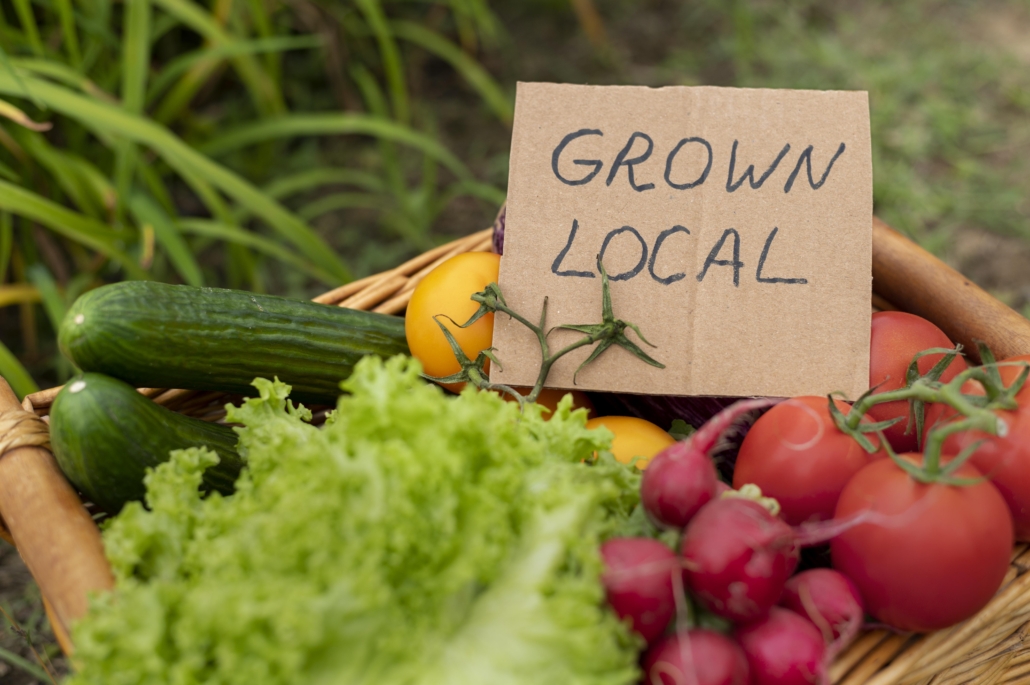
Plant-based eating means that most of the calories in your diet come from fruits, vegetables, whole grains, nuts and seeds with fewer calories from animal products such as meat, fish, dairy and eggs. An overwhelming amount of evidence has been accumulating on the health benefits of plant-based eating including the prevention and treatment of major chronic diseases, like heart disease, stroke, diabetes, obesity, dementia and cancer, that affect millions of Americans.
The more plant-based foods on your plate, the better your health, all the way up to 100%. This is because plants are full of fiber (animal products have none), antioxidants (animal products have little) and other beneficial phytochemicals (compounds found only in plants). And plants have no cholesterol (all animal products contain cholesterol) and almost all are very low in saturated fat (animal products are higher in saturated fat).
The Climate Connection
Did you know that our food choices not only impact our health but also the climate? If you didn’t, you have plenty of company. That’s why Westford Climate Action has made it a priority to increase awareness of the connection between animal agriculture and climate change.
A 2006 report by the UN stated that livestock accounts for 18% of greenhouse gas (GHG) emissions. In 2009, a World Bank estimate raised that percentage to 51% if methane from livestock digestion and manure, carbon dioxide from clearing and burning forests, and nitrous oxide from the increased use of nitrogen fertilizers are all included.
Global meat production is on the rise almost everywhere, with Asia accelerating the fastest. Production of animal-based foods emits far more GHG than plant-based foods on a per-calorie basis. For example, beef production emits 36 times more GHG than vegetables.
Take the Next Step
The best result for our health and the environment would be from the reduction of animal product consumption to zero. But it’s not all or nothing. Every step along the way helps. The most important step is to get started. You could begin by replacing one or two animal products in your diet with plant-based foods, preferably whole food forms rather than packaged, processed ones. This is something you can do today at no additional cost to promote your own health and fight climate change.